Asphalt Overlay: What it is & Why You Would Need It
Asphalt is one of the most widely used paving materials in the world due to its affordability, durability , and flexibility as discussed in our post on the benefits of asphalt pavement. Whether it’s parking lots, roads , or driveways, asphalt surfaces improve transportation infrastructure and serve communities efficiently.
However, after several years of use , asphalt pavements will exhibit normal wear that can impact safety if left unaddressed. An asphalt overlay is an important preventative maintenance technique for restoring aged asphalt surfaces to like-new condition. So , today we will look into what asphalt overlay is and why you would need it.
If you’re in Southern California and would like a quick, clear answer that’s specific to your location, weather , and needs give us a call at TMC Engineering for expert advice and a free quote!

Asphalt Overlay: What it is & Why You Would Need It
Asphalt is utilized extensively throughout pavement infrastructure, accounting for well over 90% of paved surfaces across North America, including roads, highways , and parking lots. Given this ubiquity, maintaining asphalt effectively is essential for the reliability of domestic transportation networks.
Complete repaving is sometimes necessary, but overlays offer a cost-effective way to extend the life of existing asphalt without full removal. When deployed judiciously, overlays prolong the usability of initial paving investments for additional years of operation .
This asphalt solution is different from seal coatings, which you can learn more about in this post .
What Is an Asphalt Overlay?
An asphalt overlay involves applying a new flexible pavement layer directly over an existing asphalt surface. This procedure strengthens and renews the overall asphalt system without requiring a full removal and replacement of the underlying material. Instead, a 1-2 inch thick hot mix asphalt overlay is professionally installed using specialized paving equipment.
By bonding integrally to the prepared surface below, overlays restore load-bearing integrity while sealing cracks and smoothing irregularities all at a fraction of the expense of deep repairs or total reconstruction iitiaties. Estimates show overlay investments saving 30-50% compared to mill and replace scenarios. Given their cost-effectiveness, overlays are a common maintenance practice that enables agencies to maximize pavement performance and longevity.
With a professional applicator completing necessary surface preparation and following proven techniques, a single overlay treatment can often prolong a roadway or parking lot’s useful lifespan by another 7-10 years on average. This extended service spares owners higher long-term costs and allows continued safe operation without costly full-depth repairs or disruptive repair projects.

What Is Asphalt Overlay For?
Crack Sealing and Prevention
Asphalt overlays are applied to reseal any cracks that have developed over time on the existing pavement surface. The new hot asphalt layer integrally bonds to the old surface, filling in cracks and preventing moisture and debris from entering and further damaging the underlying layers. This prevents cracks from widening, deepening, or spreading. In fact, it can prevent them from forming at all!
Pothole Repair
Before an overlay is placed, any existing potholes or depressions are repaired by grinding down the the problem areas and filling them with new asphalt. This provides a smooth, uniform surface for the overlay to adhere to fully.
Surface Restoration
Asphalt surfaces can ravel, rut , or weather badly over time through traffic wear. An overlay restores a seemingly new riding texture and seals the uppermost layer, protecting underlying good material and extending overall service life.
How Much Does Asphalt Overlay Cost ?
Repaving large asphalt areas is costly due to material and labor expenses, while overlays offer a more economical rehabilitation alternative. On average, asphalt overlays are estimated to save you 30-50% compared to the price of full-depth removal and replacement projects.
For example, a standard overlay for an average-sized parking lot requiring 1.5 inches of new asphalt will range from $3-$5 per square foot. This is significantly less than a comparable full asphalt repaving , which would fall in the $5-$8 price range without factoring in disposal or demolition costs . The savings become even more substantial for repaving large roadway surfaces or commercial sites.
By prolonging the service life of existing asphalt and delaying the need for invasive repairs, a professional applicator could help clients save significant money while improving the durability and longevity of their asphalt pavement surface.

Asphalt Overlay Process
Step 1: Surface Preparation
To ensure optimal bonding of the new layer, loose debris is first removed from cracks and potholes using specialized equipment like crack fill routers, shot blasters , or scrapers. On larger projects, asphalt milling machinery may smooth up to 1.5 inches off the top.
Step 2: Crack Sealing
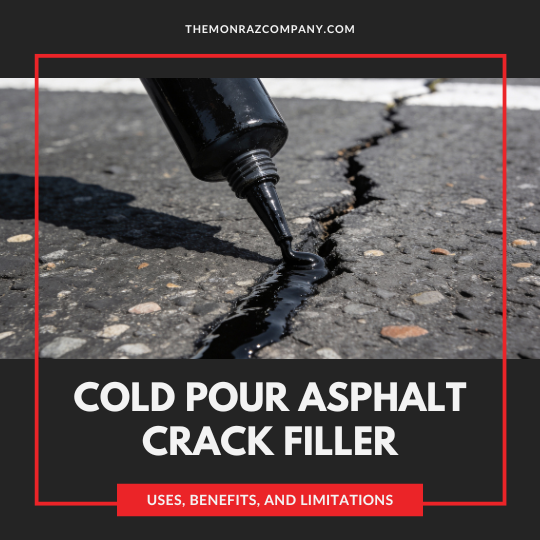
All cracks 0.25 inches or greater are thoroughly cleaned and filled to prevent moisture infiltration below the overlay. This step usually takes half a day.
Step 3: Tack Coat Application
Diluted asphalt emulsion evenly sprayed at 0.05-0.10 gallons per square yard using a distributor truck on prepared surface. This takes 30-60 minutes.
Step 4: Overlay Placement
Hot asphalt mix is applied in 1-2 inch lifts using a paving machine over the tack coat.
Compaction immediately follows.
Step 5: Compaction & Finishing
Large steel drum rollers make initial and secondary passes to densify the mat. Once that’s complete diamond grinding removes screed marks. Longitudinal and transverse joints are then neatly cut, sealed and marked if specifications are required.
It’s clear how commercial properties can benefit from asphalt overlays.
Following best practices ensures seamless integration of asphalt overlays, maximizing structural integrity and cost-effectiveness for property owners.
Whether your needs involve new construction, maintenance , or repair of asphalt and concrete infrastructure, we are fully equipped to handle all types of paving asphalt projects.
We hope this overview on drying time frames proves useful in protecting both your investment and equipment! Don’t hesitate to contact us for all your expert paving needs!
At TMC Engineering, our seasoned paving professionals offer diverse transportation construction services to fulfill your project requirements comprehensively. Whether you need asphalt paving, striping, sealing, or concrete work completed, we have the expertise and equipment to handle the job efficiently and cost-effectively. By combining extensive industry knowledge with high-quality materials and workmanship, we can deliver durable, long-lasting results!