Parking Lot Seal Coating: How to Maintain Your Parking Lot Through Seal Coating
Parking lots require regular maintenance to withstand the wear from weather and heavy vehicle traffic over time. One of the most effective ways to protect asphalt surfaces and extend their lifespan is through periodic seal coating. This simple procedure forms a protective shell that shields the pavement from elements that cause premature aging.
In this post, we will discuss the benefits of seal coating for parking lots. We’ll explore how it works to safeguard asphalt and the reasons it’s important for commercial properties. There will also be a detailed explanation of the seal coating process, from inspection and preparation to proper application and curing.
However, if you’d rather fast forward and get a direct answer and quote on your Southern California commercial asphalt pavement project, contact us today for a FREE QUOTE !
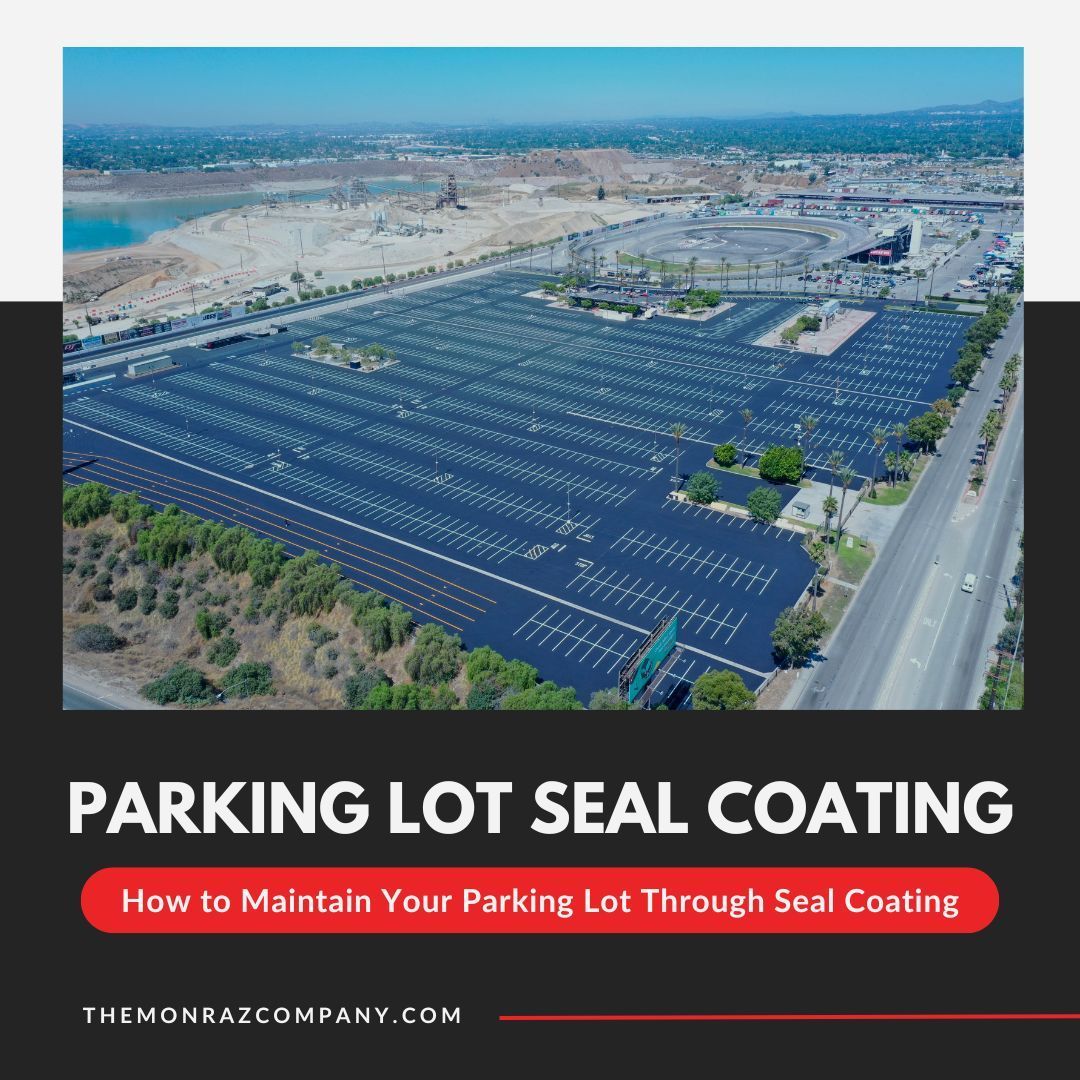
Parking Lot Seal Coating: Everything You Need to Know
Seal coating is a maintenance procedure that involves applying a protective layer of sealer to asphalt surfaces. The sealer forms an impermeable shell that shields pavement from environmental damage over time.
There are two primary types of seal coat material:
- Asphalt emulsion sealers: These are the most common and economical choice. They are a mixture of asphalt cement, water, and emulsifying agents. Asphalt emulsions dry quickly and provide an elastic coating.
- Coal tar emulsions : Considered more durable than asphalt emulsions in harsh climates. However, coal tar has more stringent environmental regulations to consider for application and disposal.
Both sealant types are asphalt-based and bond tightly to the existing pavement. When applied, they fill pores and micro-cracks on the surface. This creates a seamless membrane that prevents infiltration of water, de-icing salts, and other corrosive materials. By acting as a barrier, seal coatings prohibit moisture from seeping in and causing deterioration like cracking, potholes, and traveling over freeze-thaw cycles . They also shield against petroleum stains and UV damage from the sun that can prematurely harden asphalt.
In this post, you’ll learn all about parking lot seal coating and how it can help maintain asphalt over time. We’ll explain why it’s important, how often you should do it, and break down the process step-by-step. By the end, you’ll have a good understanding of how seal coating can benefit your parking lot!
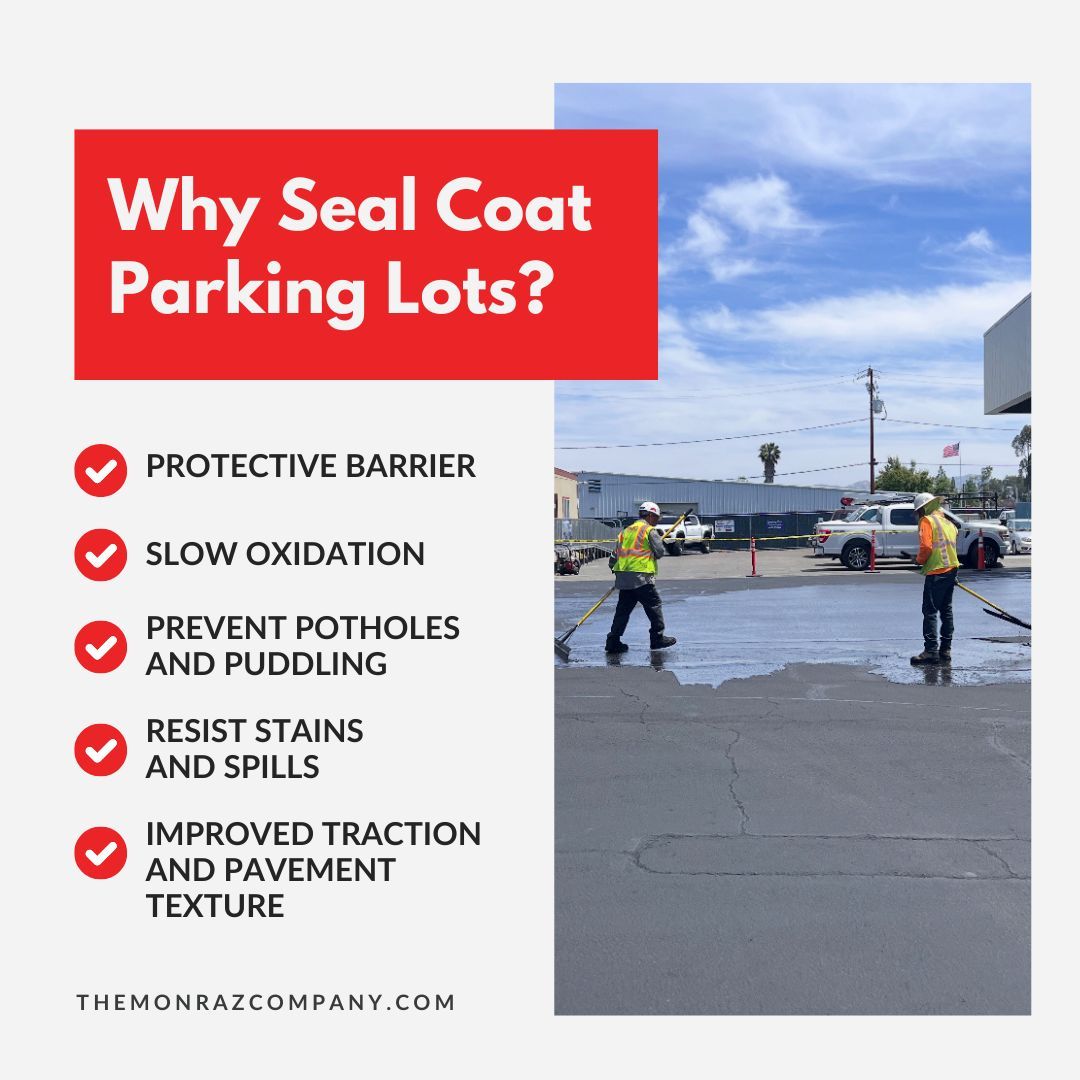
Why Seal Coat Parking Lots?
There are several key reasons why sealing is so important for parking lots:
Protective Barrier
Seal coatings form an impermeable shield over asphalt surfaces. This barrier prevents things like water, chemical spills, and fuel from seeping into the pavement. Without this protection, liquids can cause deterioration from the inside.
Slow Oxidation
Asphalt oxidizes as it’s exposed to sunlight and air over many years. Oxidation leads to cracking and raveling. The sealant barrier helps shield asphalt from UV rays and the oxidation process, allowing it to last longer before repairs are needed.
Prevent Potholes and Puddling
Water is a big culprit in asphalt damage. Sealant fills pores and hairline cracks to stop water from infiltrating and causing problems like potholes. It also prevents water from being able to puddle on the surface.
Resist Stains and Spills
Parking lots see daily spills from vehicles. Sealcoat creates a waterproof layer that helps protect against stains from fluids like oil, gasoline, and brake fluid that can damage unprotected asphalt.
Improved Traction and Pavement Texture
A smooth, consistent sealant creates a nicer surface texture that drivers appreciate. It also enhances traction, helping prevent potential slipping hazards from precipitation, debris, and other factors.
By providing these core benefits, seal coating parking lots is vital for extending their useful lifespan and preserving safe pavement conditions. It also protects any investments made in new asphalt installations.
How Often Should You Seal Coat Asphalt Parking Lots?
As a general guideline, we recommend resealing asphalt parking lots once every 2-3 years for optimal protection. However, there are a few factors to consider that may require more or less frequent applications:
- Traffic Levels : High-traffic lots that see thousands of vehicles daily may need resealing every 1-2 years.
- Climate Conditions : Areas that experience harsh winters or very hot summers could require more frequent sealing to combat things like snow/salt residue or excessive heat.
- Surface Wear : If the lot shows significant signs of wear like cracks or fading after only 18-24 months, that’s an indicator resealing may be needed sooner.
- Previous Condition : Newly paved lots may not need their first seal coat for 3-5 years, whereas older lots in fair condition would be sealed every 2 years.
- Usage Patterns : Higher traffic flow during certain times may cause faster wear that warrants annual sealing versus biennial for less congested areas.
In general, every 2-3 years is a good target if the above factors aren’t accelerating wear. It keeps a protective barrier in place and prevents small issues from becoming expensive repairs!
How To Seal Coat A Parking Lot: Breakdown the Process
Step 1: Inspect and Prepare the Surface
First, do a walk-through to check for any cracks or problem areas before sealing. Make sure to fill these in first so the new seal coat adheres properly.
Step 2: Clean the Surface
Use a broom and blower to remove any debris from the asphalt parking lot. A clean surface is key for the seal coat to stick evenly.
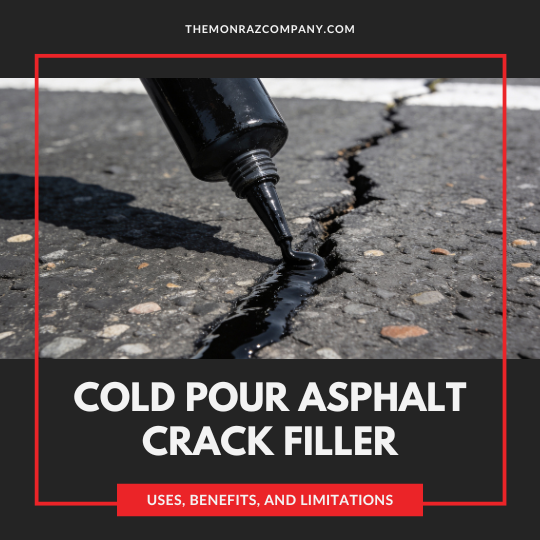
Step 3: Apply Crack Filler
Use crack filler made for asphalt to seal any cracks you find on the pavement surface. Let it dry fully before moving to the next step.
Step 4: Apply the Seal Coat
The sealer can be applied using several common methods such as spraying, brushing, or squeegees. Asphalt seal coats can be rolled, brushed, or sprayed on with specialized equipment. Be sure to follow the manufacturer’s instructions. Apply in thin, even coats.
Step 5: Allow Curing
It takes 24-48 hours to fully dry and cure, depending on the weather. Post signs to keep traffic off during this period so the new coat isn’t damaged.
Tips on Seal Coating A Parking Lot
Allow Full Cure Time
It is crucial that the asphalt seal coat is given adequate time to fully dry and harden before reopening the parking lot. The post “ How Long Does it Take for Driveway Sealcoating to Dry? ” explains how factors like temperature and humidity impact curing time. Be sure to plan accordingly.
Choose the Right Sealcoat Material
For best results, use a commercial-grade asphalt seal coat. Asphalt emulsion sealers are popular and cost-effective for most asphalt parking lots. They typically spread around 40-75 square feet per gallon depending on conditions.
Maintain Your Investment Effectively
Parking lot maintenance through bi-annual resealing of asphalt cracks and sealing can go a long way in protecting your investment over many years. Staying diligent with a pavement maintenance program ensures the asphalt surface lasts.
Use Quality Products
Look for coal tar or asphalt emulsion seal coats known for durability. Good pavement sealer selection forms an impermeable barrier that maintains the asphalt, prevents oxidation, and keeps your lot’s black finish. For more guidance on sealers for old concrete driveways and other concrete surfaces, check out our post on the best sealers for concrete .
Budget Friendly Procedure
Compared to full repairs, sealing is quite affordable for business owners. Simple practices like annual or bi-annual applications only cost-effective amounts to safeguard asphalt for the long run.
At TMC Engineering, we have the expertise to seal coat your old driveway or parking lot. Our professionals apply high-quality sealers using expert techniques so your pavement endures many additional years of use! Contact us to discuss solutions for your property!
Following the proper sealing process ensures parking lots function properly and last longer.
For business owners, simple and affordable procedures like resealing are worth the small investment. It preserves the usability and appearance of customer parking areas as a curb appeal asset. Most importantly, it safeguards the overall integrity of lot infrastructure to reduce future repair and resurfacing costs down the road.
With the right sealant product and best practices outlined here, pavement can endure heavy traffic loads for decades before requiring structural renewal. Regular maintenance through resealing keeps asphalt performing as a valuable commercial real estate feature and performing assets long-term. Most of all, it means satisfied customers with smooth, crack-free parking each and every visit for years on end.
Our team of experienced paving professionals at TMC Engineering provides a wide range of transportation construction services to meet all of your project needs. Whether you need asphalt paving , striping, sealing , or concrete work completed, we have the expertise and equipment to handle the job efficiently and cost-effectively. By combining extensive industry knowledge with high-quality materials and workmanship, we can deliver durable, long-lasting results!
Contact us today to discuss your requirements and receive a customized proposal. We aim to forge strong partnerships through collaboration on quality-focused solutions!