EV Charging Station Installation in California: Requirements, Challenges, and What to Expect

Dazani Monraz • April 16, 2026

The Growing Demand for EV Charging

Electric vehicles are becoming more common across California, and with that growth comes an increased demand for EV charging stations. Recent updates to CALGreen and Title 24 (As of January 2026; CA & Federal codes and regulations are subject to change at any time.) have made EV infrastructure a requirement for many new developments, while existing properties are beginning to add charging stations to stay competitive.

For property owners, HOAs, and commercial managers, EV charging is quickly shifting from a premium feature to a standard expectation. Understanding how these systems are installed—and what challenges may come with them—is important before starting a project.


What Is an EV Charging Station?

An EV charging station is a piece of equipment that supplies electrical power to charge electric vehicles. The most common types seen in commercial and multifamily properties include Level 2 chargers and, in some cases, Level 3 fast chargers.

Level 2 chargers are typically used in parking lots, apartment complexes, and commercial properties. They provide a steady charge over a few hours and are the most common type installed. Level 3 chargers, also known as fast chargers, are more powerful and are usually found in high-traffic or public locations due to their higher electrical demand.

Each type of charger comes with different installation requirements, which can impact the overall scope of the project.


How EV Charging Stations Are Installed

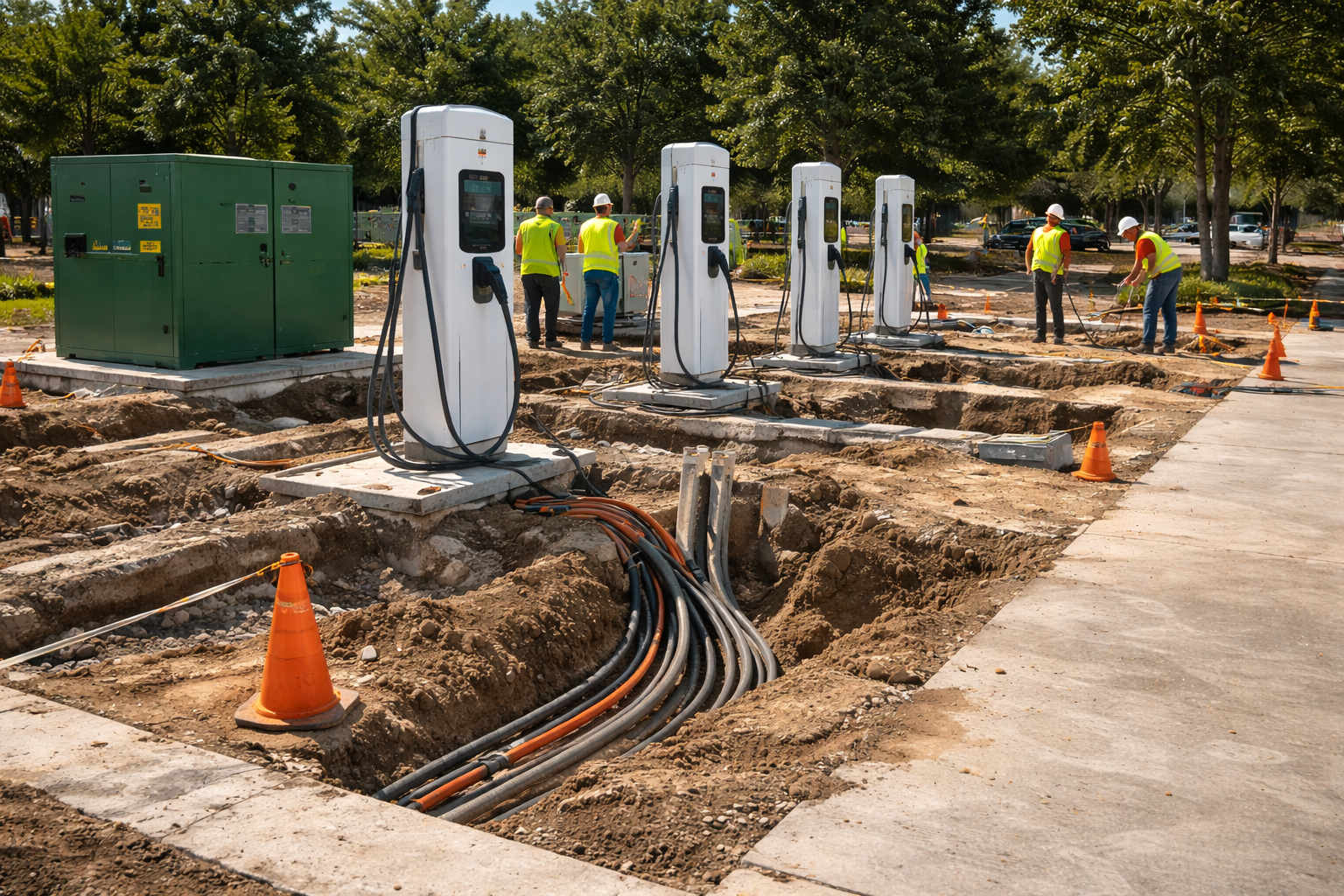
Installing EV charging stations involves more than just placing equipment in a parking lot. The process typically starts with evaluating the property’s existing electrical capacity. In many cases, upgrades are needed to support additional load, which may involve new panels, transformers, or coordination with the local utility provider.


Once the electrical scope is defined, the site layout becomes the next step. Chargers must be placed in locations that allow for easy access while maintaining proper parking flow. This may require adjustments to the parking lot, including modifications to asphalt, concrete, or existing stall configurations.


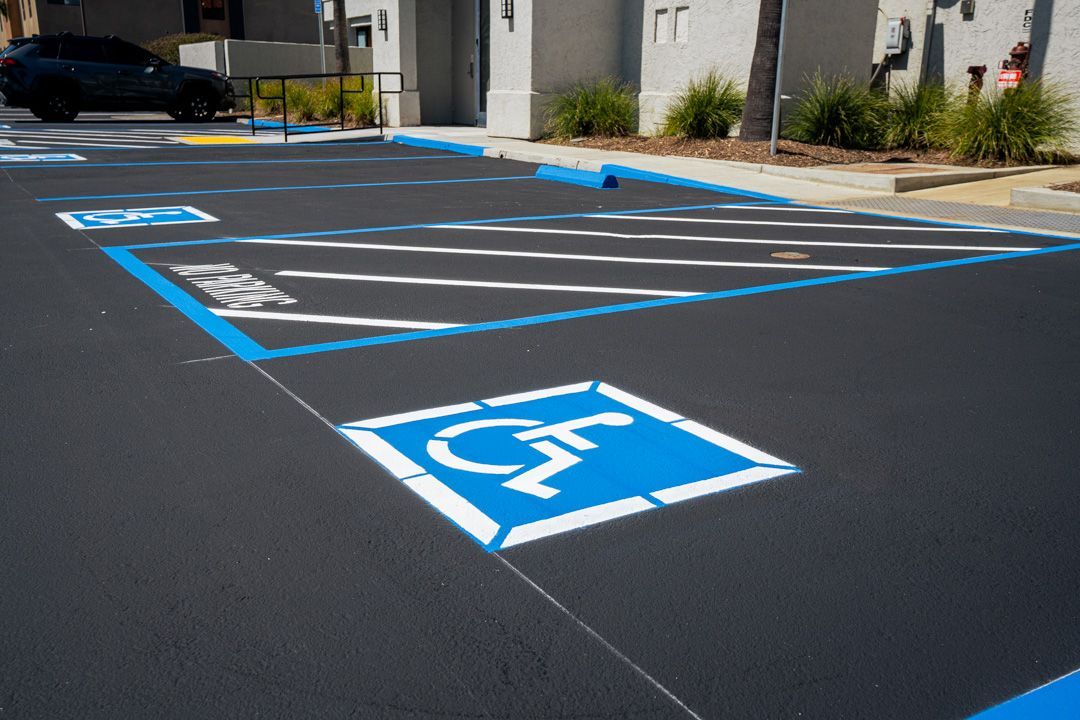
From there, accessibility requirements must be addressed. California has strict ADA standards that apply to EV charging stations, meaning the layout and surrounding areas must be designed to accommodate all users.


The final stages of the project typically include finishing work such as pavement repairs, striping, and signage to ensure the installation is complete and ready for use.

Common Challenges During Installation

One of the most common challenges property owners face is limited electrical capacity. Many properties were not originally designed to support EV charging, which can lead to unexpected upgrades and longer timelines.


Site layout is another area where issues can arise. Poor placement of charging stations can disrupt traffic flow, reduce the number of usable parking spaces, or create accessibility problems. Careful planning is required to make sure the installation works with the property rather than against it.


Coordination between trades is also a frequent challenge. EV charging projects typically involve electricians, contractors, and property managers. Without a clear plan, it’s easy for details to be missed, leading to delays or rework.


Another factor to consider is future demand. As EV adoption continues to increase, properties that only plan for current usage may need to make additional upgrades sooner than expected.


Preparing Your Property for EV Charging

Before starting an EV charging project, it’s important to take a comprehensive look at the property. This includes understanding electrical capacity, evaluating the layout of the parking lot, and identifying any areas that may need modification.


Planning ahead can help reduce delays, control costs, and ensure the installation meets current requirements. It also allows property owners to prepare for future expansion without having to redo completed work

Final Thoughts

EV charging stations are becoming a standard part of properties across California. While the installation process can be complex, proper planning and coordination can help avoid common issues and keep projects on track.


As demand continues to grow, properties that take the time to approach these projects correctly will be better positioned for the future.


Get Started

If you’re planning an EV charging installation or looking to upgrade your property, TMC Engineering can help prepare your site for a smooth and efficient project.

Cold Pour Asphalt Crack Filler: Uses, Benefits, and Limitations
By Dazani Monraz January 27, 2026
In this post, we will discuss why cold-pour asphalt crack filler offers a simple, fast, and cost-effective solution, plus a step-by-step guide on how to use it.
Equipment for Asphalt Paving: Essential Machines and Tools
By Dazani Monraz January 20, 2026
Today, we will discuss the equipment necessary for professional asphalt paving. We will cover what asphalt paving is, how to install it, and which tools are essential for completing projects.
Best Weather to Pour Concrete: Choosing Ideal Conditions
By Dazani Monraz January 13, 2026
In this post, we will discuss the best weather conditions to pour concrete, including ideal temperature ranges and environmental factors that influence long-term performance.